- Published on
Class Teacher: Your Ultimate Guide to Roles, Responsibilities, and Tips
Class Teacher: Your Ultimate Guide to Roles, Responsibilities, and Tips
Searches for "class teacher" typically indicate an informational intent, with users—such as educators, parents, school administrators, or teacher trainees—seeking definitions, roles, responsibilities, and qualities of a class teacher in educational settings. Based on web data, this keyword reflects a demand for practical advice on classroom management, student mentorship, and effective teaching practices, often in primary or secondary schools where the class teacher acts as a homeroom advisor overseeing pastoral care and academic progress.
Whether you're aspiring to be a class teacher or understanding their role in your child's education, this guide provides comprehensive insights, strategies, and resources to help you navigate this essential position in schools.
What Is a Class Teacher?
A class teacher, also known as a homeroom teacher or form tutor, is an educator responsible for the overall well-being, academic progress, and pastoral care of a specific group of students in a school. In primary and secondary education, the class teacher acts as the main point of contact for students, parents, and school administration, overseeing daily routines, discipline, and holistic development. This role extends beyond subject teaching to include mentorship, behavior management, and fostering a positive classroom environment.
In many systems, the class teacher coordinates with subject specialists while maintaining a nurturing role for their assigned class.

Class Teacher Engaging with Students in Classroom Setting
Key Roles and Responsibilities of a Class Teacher
The class teacher plays a multifaceted role in school, blending academic guidance with personal support. Key responsibilities include:
Core Academic Responsibilities
Academic Monitoring: Track student progress, prepare lesson plans, and provide feedback on performance across subjects.
Classroom Management: Enforce rules, maintain discipline, and create a positive learning environment conducive to learning.
Pastoral Care: Support students' emotional and social development, addressing issues like bullying or personal challenges.
Parent Communication: Hold meetings, send updates, and collaborate on student improvement plans with families.
Administrative Duties: Handle attendance, organize events, and coordinate with school staff for various activities.
Mentorship: Inspire curiosity, encourage participation, and serve as a role model for students' personal growth.
These duties ensure holistic student growth and school harmony.
Comprehensive Overview of Class Teacher Duties
Detailed Responsibility Breakdown
Daily Operations Management: Overseeing morning routines, attendance tracking, lunch supervision, and end-of-day procedures.
Individual Student Support: Providing one-on-one guidance for academic challenges, personal issues, and goal setting.
Curriculum Coordination: Ensuring alignment between different subject areas and maintaining educational continuity.
Assessment and Reporting: Conducting regular evaluations, preparing report cards, and documenting student progress.
Crisis Management: Handling emergencies, conflicts, and unexpected situations that arise in the classroom or school.
Collaborative Functions
Team Coordination: Working with subject teachers, support staff, and specialists to provide comprehensive student support.
Parent Partnership: Building strong relationships with families to support student success at home and school.
Community Engagement: Connecting classroom learning with community resources and opportunities.
Professional Development: Participating in training and staying current with educational best practices and policies.
Qualities of an Effective Class Teacher
An effective class teacher combines professional skills with personal attributes to inspire and guide students. Essential qualities include:
Personal Attributes
Empathy and Patience: Understanding students' needs and handling challenges calmly with compassionate responses.
Strong Communication: Clear instruction and active listening with students and parents for effective collaboration.
Organizational Skills: Efficient planning and management of classroom activities, resources, and time.
Leadership and Inspiration: Motivating students and setting positive examples through personal conduct and enthusiasm.
Adaptability: Adjusting to diverse learning styles and unexpected situations with flexibility and creativity.
Commitment to Growth: Continuous learning through professional development and reflective practice.
These traits contribute to a supportive and successful classroom environment.

Visual Representation of Key Class Teacher Qualities
Professional Competencies
Curriculum Knowledge: Deep understanding of academic standards and age-appropriate learning objectives.
Assessment Expertise: Skilled in various evaluation methods and data-driven instruction approaches.
Technology Integration: Comfortable using educational technology to enhance learning experiences.
Differentiation Skills: Ability to modify instruction for diverse learning needs and styles.
Conflict Resolution: Effective strategies for managing disputes and promoting positive relationships.
Emotional Intelligence Skills
Self-Awareness: Understanding personal strengths, limitations, and emotional responses in teaching situations.
Social Awareness: Reading classroom dynamics and individual student needs accurately.
Relationship Management: Building trust and rapport with students, parents, and colleagues.
Stress Management: Maintaining composure and effectiveness under pressure while supporting others.
How to Become a Successful Class Teacher
Becoming a successful class teacher involves education, experience, and ongoing growth:
Educational and Professional Preparation
- Obtain Qualifications: Earn a teaching degree and certification in your region or country.
- Gain Experience: Start with assistant roles or student teaching to build skills and confidence.
- Develop Relationships: Focus on empathy and communication with students and parents.
- Master Classroom Management: Learn techniques for discipline and engagement that work for your style.
- Pursue Professional Development: Attend workshops and stay updated on best practices in education.
- Reflect and Adapt: Regularly evaluate your methods and adjust based on feedback and outcomes.
Resources like tutorials can help new teachers start strong and build successful practices.
Practical Steps to Class Teacher Success
Practical Development Strategies
Observation and Learning: Spend time observing experienced class teachers to learn effective strategies and techniques.
Mentorship Programs: Seek guidance from veteran educators who can provide support and advice.
Professional Learning Networks: Join teacher associations and online communities for ongoing support and resources.
Action Research: Conduct small-scale research projects to improve specific aspects of your practice.
Student Feedback: Regularly gather input from students about their learning experiences and needs.
Building Essential Skills
Communication Excellence: Develop skills in verbal, written, and non-verbal communication for all stakeholders.
Time Management: Learn to balance teaching, planning, assessment, and administrative duties effectively.
Cultural Competency: Understand and appreciate diverse student backgrounds and family structures.
Technology Proficiency: Stay current with educational technology tools and integration strategies.
Data Analysis: Learn to interpret student data to inform instruction and support decisions.
Benefits of Having a Good Class Teacher
A good class teacher fosters student growth, improves academic performance, and creates a positive school culture. They provide mentorship that builds confidence, encourages curiosity, and prepares students for future success. For schools, effective class teachers enhance community ties and support overall educational goals.
Student Benefits
Academic Achievement: Students with effective class teachers show improved test scores and learning outcomes.
Social-Emotional Development: Strong mentorship helps students develop confidence, resilience, and interpersonal skills.
Behavioral Improvement: Consistent guidance and support lead to better classroom behavior and school engagement.
Future Preparation: Class teachers help students develop skills and attitudes necessary for future academic and career success.
School and Community Benefits
Positive School Culture: Effective class teachers contribute to a supportive, collaborative school environment.
Parent Satisfaction: Strong communication and student support lead to increased parent confidence and engagement.
Teacher Retention: Successful class teacher programs contribute to overall job satisfaction and staff retention.
Community Connection: Class teachers often serve as bridges between school and community resources.
Challenges and Solutions for Class Teachers
Class teachers face unique challenges that require specific strategies and support systems.
Common Challenges
Diverse Student Needs: Managing classrooms with wide ranges of abilities, backgrounds, and learning styles.
Time Management: Balancing teaching responsibilities with administrative duties and individual student support.
Parent Communication: Navigating different family expectations and communication preferences.
Behavioral Issues: Addressing discipline problems while maintaining positive relationships and learning environments.
Resource Limitations: Working within budget constraints and limited materials or support staff.
Practical Solutions
Differentiation Strategies: Implement flexible grouping, varied assignments, and multiple learning modalities.
Efficient Systems: Develop routines and organizational systems that maximize instructional time.
Communication Plans: Establish regular, clear communication channels with parents and families.
Positive Behavior Support: Use proactive strategies and restorative practices for behavior management.
Resource Sharing: Collaborate with colleagues and seek community partnerships for additional support.
FAQ: Common Questions About Class Teacher
This Q&A addresses frequent queries based on search trends for "class teacher."
What is the role of a class teacher?
The class teacher oversees academic monitoring, classroom management, pastoral care, parent communication, and student mentorship in a school setting.
What are the responsibilities of a class teacher?
Responsibilities include planning lessons, maintaining discipline, tracking attendance, communicating with parents, and supporting student development.
What qualities make a good class teacher?
Good qualities include empathy, strong communication, organization, leadership, adaptability, and commitment to student growth.
How does a class teacher differ from a subject teacher?
A class teacher oversees overall student welfare and coordination, while a subject teacher focuses on specific academic areas.
What resources are available for class teachers?
Resources include videos on classroom management and infographics on teacher roles for professional development.
How do class teachers handle difficult situations?
Through clear communication, consistent policies, collaboration with support staff, and focus on relationship-building.
What training do class teachers need?
Education degree, teaching certification, classroom management training, and ongoing professional development.
How do class teachers work with parents?
Through regular communication, parent conferences, progress updates, and collaborative problem-solving approaches.
What is the difference between a class teacher and a homeroom teacher?
These terms are often used interchangeably, both referring to the primary teacher responsible for a specific group of students.
How do class teachers support struggling students?
Through individualized attention, differentiated instruction, collaboration with specialists, and family partnerships.
Frequently Asked Questions About Class Teaching
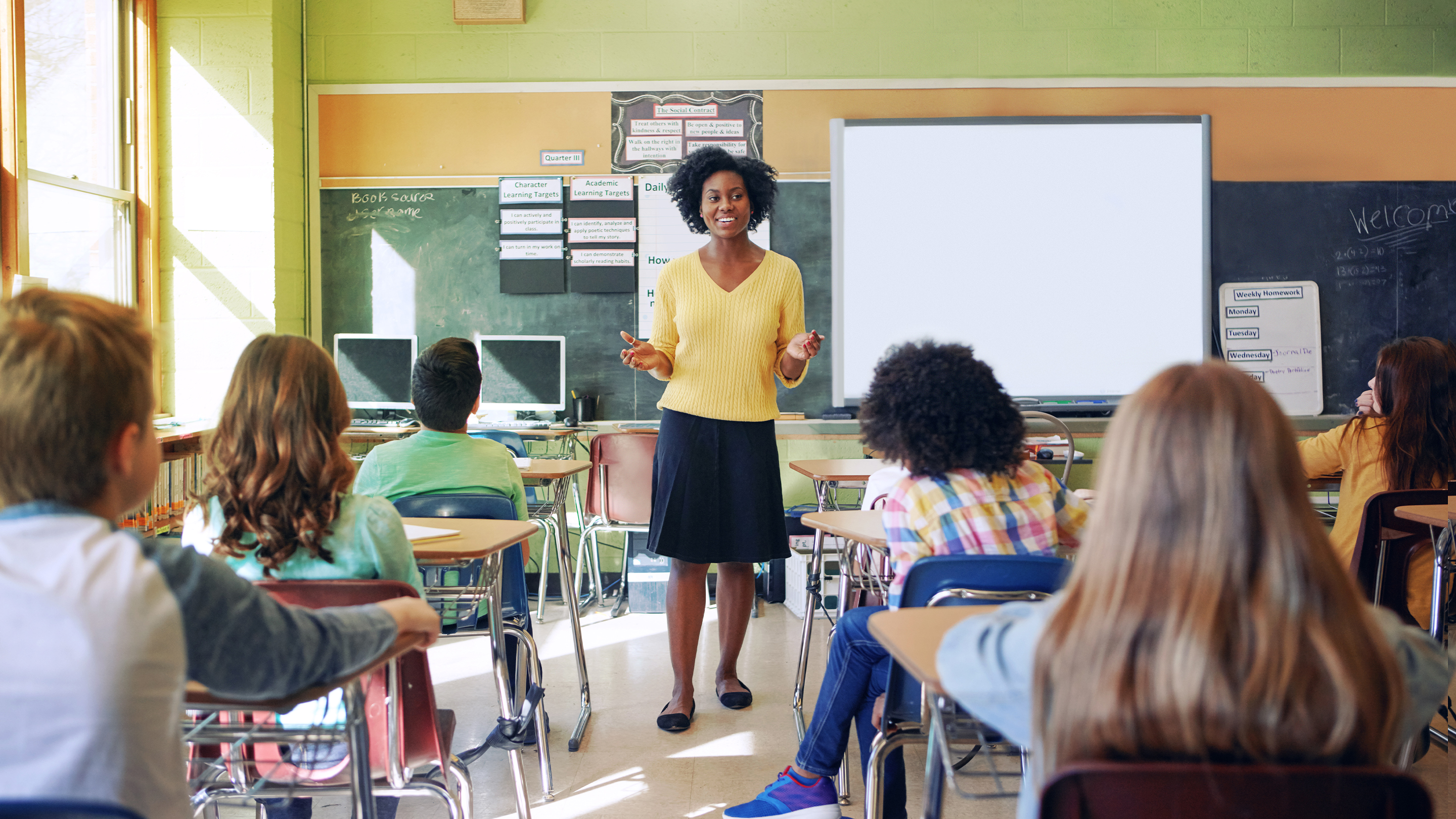
Class Teacher Providing Individual Student Support
Technology Integration for Class Teachers
Modern class teachers must effectively integrate technology to enhance learning and communication.
Essential Technology Skills
Learning Management Systems: Proficiency in platforms like Google Classroom, Canvas, or similar tools for assignment distribution and communication.
Communication Tools: Using email, messaging apps, and video conferencing for parent and student communication.
Assessment Technology: Digital tools for creating, administering, and analyzing student assessments and progress.
Educational Apps: Knowledge of subject-specific apps and tools that enhance learning experiences.
Digital Citizenship Education
Online Safety: Teaching students about internet safety, cyberbullying prevention, and digital footprints.
Information Literacy: Helping students evaluate online sources and develop critical thinking about digital information.
Ethical Use: Guiding students in understanding copyright, plagiarism, and appropriate online behavior.
Balance and Wellness: Promoting healthy relationships with technology and screen time management.
Professional Development for Class Teachers
Ongoing professional growth is essential for class teacher effectiveness and career satisfaction.
Key Development Areas
Classroom Management: Advanced strategies for creating positive learning environments and handling challenging behaviors.
Differentiated Instruction: Techniques for meeting diverse learning needs within a single classroom.
Assessment and Data Analysis: Skills in using student data to inform instruction and support decisions.
Family Engagement: Strategies for building strong partnerships with parents and caregivers.
Cultural Competency: Understanding and serving diverse student populations effectively.
Professional Learning Opportunities
Workshops and Conferences: Attending professional development events focused on class teacher skills and strategies.
Graduate Coursework: Pursuing advanced degrees in education, counseling, or related fields.
Peer Collaboration: Participating in professional learning communities and teacher networks.
Action Research: Conducting classroom-based research to improve practice and contribute to the profession.
Mentoring Others: Serving as a mentor to new teachers to develop leadership skills and share expertise.
The Future of Class Teaching
The role of class teacher continues to evolve with changing educational needs and societal expectations.
Emerging Trends
Social-Emotional Learning: Increased emphasis on supporting students' emotional and social development.
Trauma-Informed Practices: Understanding and responding to the impact of trauma on student learning and behavior.
Global Competency: Preparing students for an interconnected world through cultural awareness and global perspectives.
Personalized Learning: Using technology and data to customize learning experiences for individual students.
Preparing for Tomorrow
Continuous Learning: Commitment to ongoing professional development and adaptation to changing needs.
Innovation Mindset: Willingness to try new approaches and technologies while maintaining focus on student relationships.
Leadership Development: Building skills to serve as teacher leaders and advocates for students and the profession.
Community Engagement: Strengthening connections between school and community to support student success.
Conclusion: The Impact of a Dedicated Class Teacher
A class teacher plays a pivotal role in shaping students' academic and personal growth through daily guidance, support, and mentorship. By understanding their responsibilities and developing essential qualities, educators can excel in this position and make lasting positive impacts on their students' lives.
The class teacher role requires a unique combination of academic expertise, emotional intelligence, and leadership skills. Success comes from building strong relationships, maintaining high expectations, and providing consistent support for all students.
Whether you're considering becoming a class teacher or seeking to improve your current practice, remember that this role offers unparalleled opportunities to influence young lives and contribute to educational excellence. The challenges are real, but the rewards—seeing students grow, succeed, and develop into confident learners—make the effort worthwhile.
Explore the resources and videos referenced throughout this guide to enhance your skills and deepen your understanding of effective class teaching. Remember that becoming an excellent class teacher is a journey of continuous learning and growth.
The impact of a dedicated class teacher extends far beyond the classroom, influencing students' attitudes toward learning, their self-confidence, and their future success. By embracing this important role with commitment and enthusiasm, class teachers become catalysts for positive change in their students' lives and their school communities.
Celebrating the Important Work of Class Teachers
Start your journey as a class teacher today, or continue developing your skills in this vital educational role. The students in your care depend on your dedication, expertise, and commitment to their success and well-being.