- Published on
A Good Teacher: Qualities, Characteristics, and How to Become One
A Good Teacher: Qualities, Characteristics, and How to Become One
Searches for "a good teacher" typically indicate an informational intent, with users—such as aspiring educators, current teachers seeking self-improvement, parents evaluating school staff, or students reflecting on experiences—looking for insights into the qualities, characteristics, and skills that define effective teaching. Based on web data, this keyword reflects a demand for inspirational content, practical advice, and research-backed traits like empathy, communication, and passion, often for professional development, career guidance, or personal growth in education.
Whether you're aspiring to be a good teacher or recognizing one, this guide explores the essential qualities, characteristics, and steps to excel in teaching.
What Makes a Good Teacher?
A good teacher goes beyond delivering lessons—they inspire, motivate, and shape students' futures by combining knowledge with empathy and innovation. Research shows that effective teachers build strong relationships, adapt to diverse needs, and foster a love of learning, leading to better student outcomes. In today's classrooms, a good teacher balances content expertise with emotional intelligence, creating inclusive environments where every student thrives. Key factors include passion for the subject, clear communication, and the ability to adapt to challenges.
Essential Qualities of a Good Teacher
A good teacher possesses a mix of personal and professional qualities that create positive learning experiences. Here are some key traits:
Empathy: Understanding students' emotions and backgrounds to build trust and support.
Clear Communication: Explaining concepts effectively and listening actively.
Passion and Enthusiasm: Inspiring students with genuine excitement for learning.
Adaptability: Adjusting methods to meet diverse needs and situations.
Patience: Handling challenges calmly and encouraging growth.
Knowledgeable: Deep expertise in subjects combined with ongoing learning.
Role Model: Demonstrating integrity, respect, and lifelong learning.
These qualities, as highlighted in educational research, contribute to student success and classroom harmony.
Essential Characteristics of Effective Teachers
How to Become a Good Teacher
Becoming a good teacher involves continuous growth and reflection. Here are steps to develop your skills:
- Pursue Education and Certification: Earn a degree in education and obtain teaching credentials.
- Gain Experience: Start with student teaching or mentoring to apply knowledge.
- Develop Empathy and Communication: Practice active listening and understanding diverse perspectives.
- Stay Passionate: Keep learning through professional development and reading.
- Adapt and Innovate: Experiment with new methods and reflect on outcomes.
- Seek Feedback: Use student and peer evaluations to improve.
Resources like AMEE guides offer insights into multifaceted teaching roles.
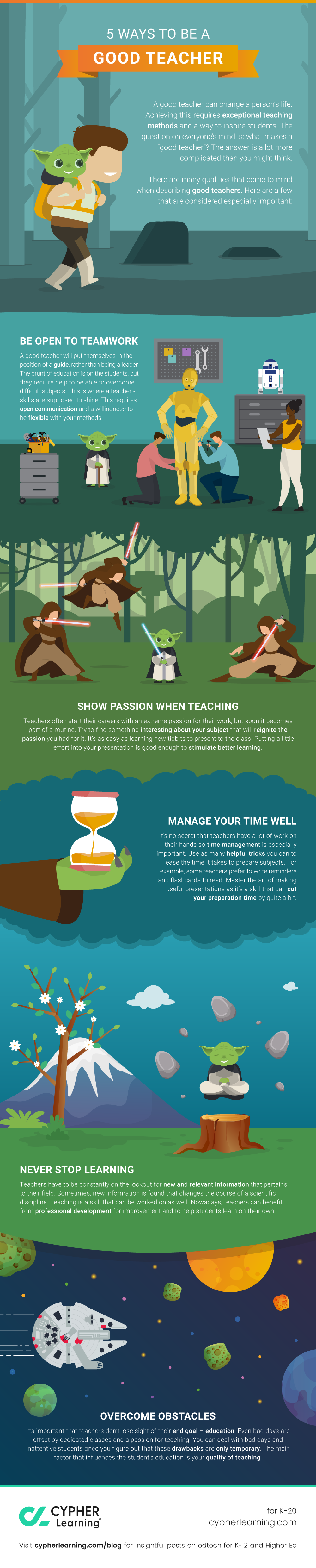
Practical Strategies for Becoming an Effective Teacher
Benefits of Being a Good Teacher
Being a good teacher not only impacts students' academic success but also their personal development, leading to higher engagement, better test scores, and lifelong learning habits. For teachers, it brings fulfillment, professional growth, and positive classroom dynamics, contributing to a rewarding career.
FAQ: Common Questions About a Good Teacher
This Q&A addresses frequent queries based on search trends for "a good teacher."
What are the qualities of a good teacher?
Qualities include empathy, clear communication, passion, adaptability, patience, knowledge, and being a role model.
How can I become a good teacher?
Pursue education, gain experience, develop empathy, stay passionate, adapt methods, and seek feedback through continuous reflection.
What makes a good teacher great?
A great teacher builds strong relationships, inspires lifelong learning, and adapts to individual needs, turning good instruction into transformative experiences.
Why is empathy important for a good teacher?
Empathy helps teachers understand student challenges, build trust, and create supportive environments that enhance learning.
What are common misconceptions about good teachers?
A common misconception is that good teachers are naturally talented; in reality, they develop skills through practice and reflection.
Conclusion: The Impact of a Good Teacher
A good teacher inspires and shapes futures through empathy, adaptability, and passion. By developing these qualities, educators can make a lasting impact on students' lives and communities.
The Transformative Power of Good Teaching